How one farmer on a bank board turned a fifth of its loan book into orchards
Robert Tanaka joined Meridian Trust's board in 2016. In his first meeting he explained a hazelnut orchard's cash flow. The bank rebuilt its loans.
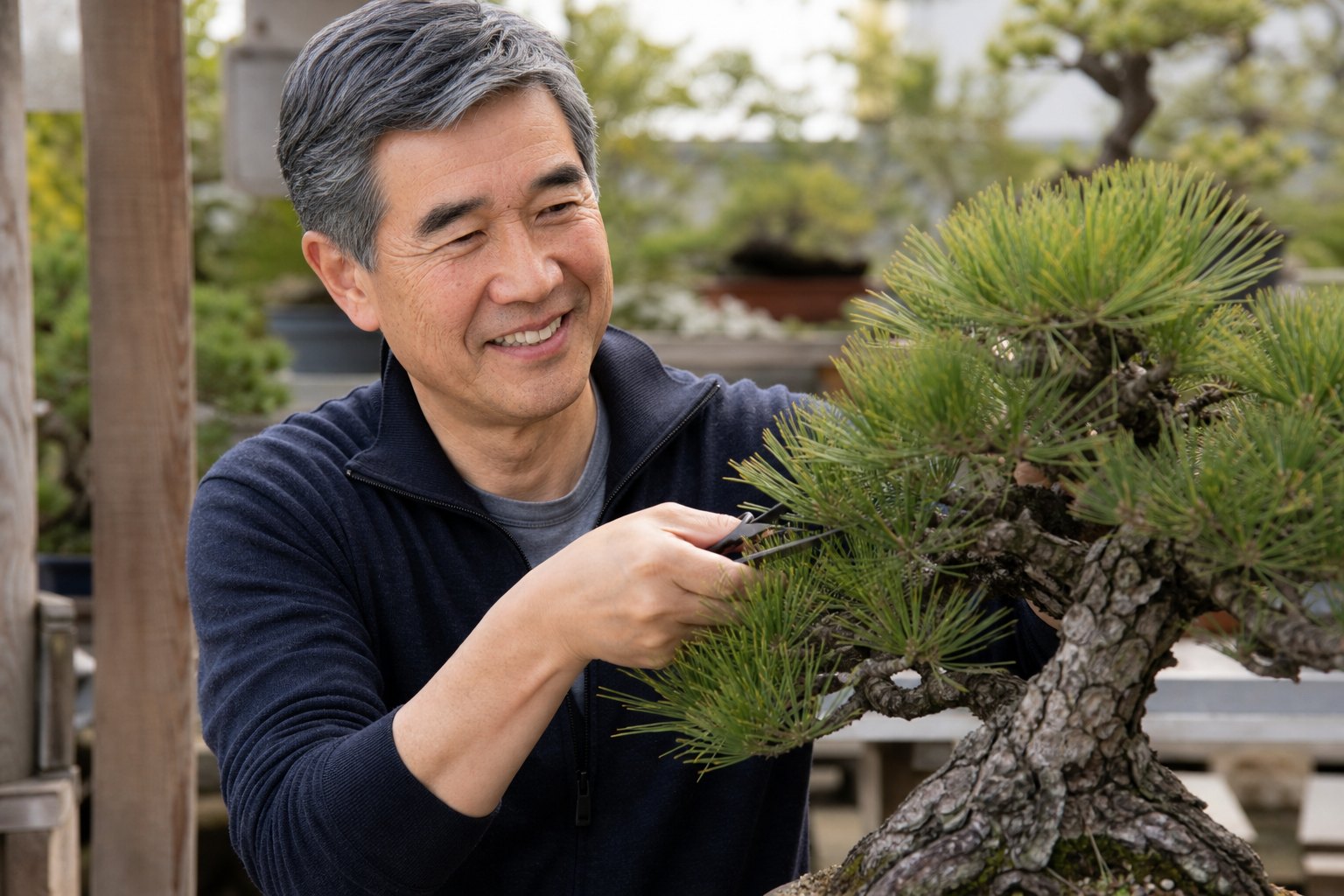
WOODBURN — Robert Tanaka's first meeting as a director of Meridian Trust Bank, in the autumn of 2016, lasted one hour. In it, the third-generation hazelnut farmer drew on a whiteboard the cash flow of an orchard: seven years from planting to first crop, one harvest a year, and every dollar of income arriving in November. Then he asked which of the bank's loan products fit it.
'None of them,' said Eleanor Hastings, the retired judge who chairs the board. 'He didn't say it unkindly. He just waited.'
A decade later, agricultural lending is roughly a fifth of the Portland-based community bank's $1.1 billion loan book, and 214 of those loans carry a single annual payment date in November. Tanaka, 65, who farms 600 acres of hazelnuts and grass seed outside Woodburn, is the reason.
Oregon grows about 99 percent of the hazelnuts produced in the United States, almost all of them in the Willamette Valley. Growers have long complained that conventional farm loans, with twelve equal monthly payments, were designed for businesses with monthly revenue. 'You end up borrowing in March to make the payment on the loan you borrowed to plant,' Tanaka said. 'It's a loan designed for a farm that doesn't exist.'
The bank's response was a seasonal-payment product with interest accruing through the year and principal due after harvest, plus a seven-year 'establishment' loan for new plantings that defers principal until the orchard bears. Chief risk officer Helen Kowalczyk said the concentration is tracked closely: the hazelnut price, the November weather and the export market appear in her quarterly risk report every quarter. 'We lend into one payday a year,' she said. 'So we watch that one payday like it's the only one. Because it is.'
Tanaka's family history runs through the land he farms. His grandparents were interned at Minidoka during the Second World War and returned in 1945 to find their farm sold. His father bought the land back from 1962 onward with loans from a Woodburn bank that has since been absorbed into a national chain. Their internment identification tags hang in the farm office.
'A farm has one payday a year,' Tanaka said, standing in an orchard his son Kenji will take over. 'A bank that doesn't understand that isn't a bank for farmers. I just wanted one that did to still exist when my grandchildren need it.'
“A farm has one payday a year. A bank that doesn't understand that isn't a bank for farmers.”— Robert Tanaka